
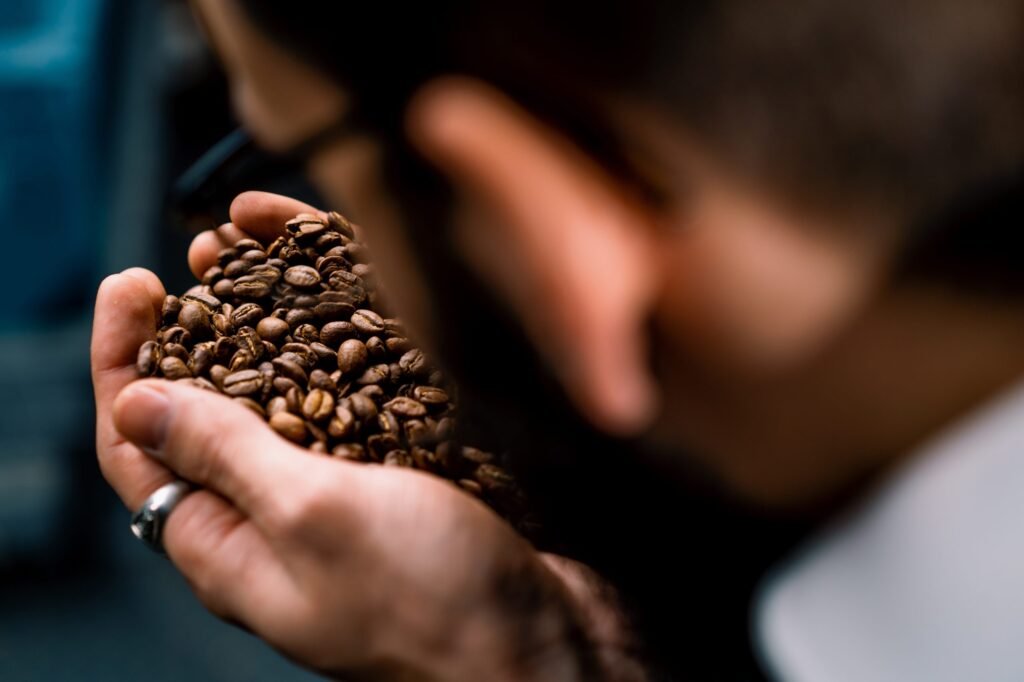
In a world that prioritizes speed, there’s a practice that celebrates patience: slow roasting coffee. More than a technique, it’s a roasting philosophy that rejects high temperatures and express times, opting instead for a slow and controlled process that transforms green beans into a superior sensory experience.
The benefits of slow-roasted coffee are not just a mythcoffee geeksThese are tangible realities that are perceived in the aroma, the flavor, the body of the cup and, surprisingly, even in well-being.
At Almendra Selectas USA, we’ve made this method the heart of our craft, because we believe that great coffee deserves its time. In this article, prepared for you on the Almendra Selectas blog, we break down why slow roasting makes the world of difference between good coffee and extraordinary coffee.
What Exactly Is Slow Roasting? The Science Behind Patience
Before exploring the benefits, let’s define the process. Slow roasting involves applying a moderate temperature (substantially lower than that of fast industrial roasting) for a longer period of time, generally between 14 and 20 minutes, depending on the desired profile.
The Step-by-Step Process:
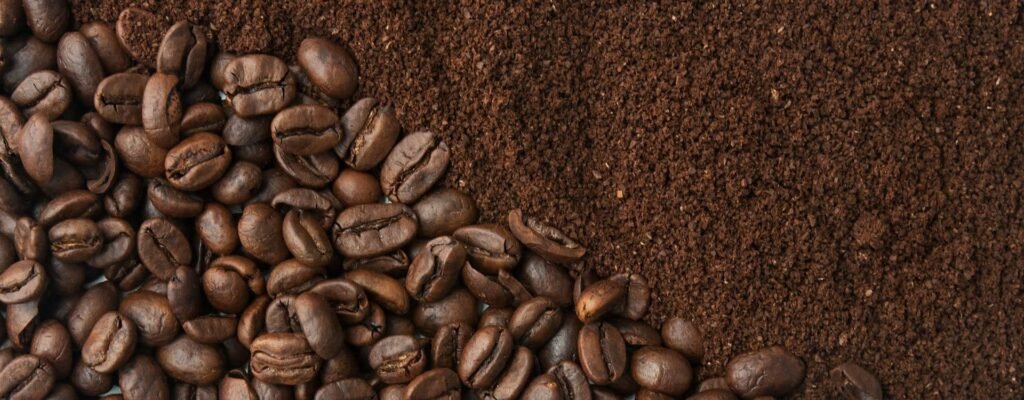
- Gradual Drying: The first phase, where residual moisture is removed from the green grain, is carried out gradually. This establishes a stable foundation for subsequent development.
- Controlled Maillard: The crucial Maillard reaction (responsible for the brown color and toasted flavors) occurs in a more controlled and extensive manner. In a rapid roast, this reaction can be violent and uneven; in a slow roast, it is uniform and deep.
- Development of the “First Crack”: The first crack, where the grain expands, is not an explosive event, but a smooth transition that allows for a more complete internal development of the flavor.
- Development Phase: The time between the first crackle and the end of the roasting process is key. In slow roasting, this phase is lengthened, allowing the sugars to caramelize in a complex way and the flavors to build layer upon layer.
The contrast with rapid industrial roasting (at 500°C+ in less than 90 seconds) is striking. While the latter seeks uniformity and volume at the expense of flavor, slow roasting is a respectful dialogue with the bean.
1. Benefit #1: An Infinitely More Complex and Defined Flavor Profile
This is the benefit of slow roasting coffee most celebrated by coffee tasters. The moderate heat acts like a fine chisel, sculpting and revealing nuances that intense heat simply burns away.
– Preservation of the Notes of Origin (Terroir)
The great danger of fast roasting is that it imposes a homogenous “roasted coffee” flavor that overwhelms the bean’s unique personality. Slow roasting, on the other hand, preserves and highlights the intrinsic notes of the variety and its region. A washed, slow-roasted Yirgacheffe will retain its delicate jasmine and bergamot notes; a Harrar natural will develop its red fruit flavors in a juicier way.
At Almendra Selectas USA, we use this method precisely to honor and present the authentic essence of each Ethiopian origin we select.
– Development of Natural Sweetness and Complex Flavors
The slow caramelization of the bean’s natural sugars (sucrose, fructose) produces a well-rounded and persistent sweetness, reducing or even eliminating the need for added sugar. Furthermore, rich secondary flavors develop: notes of caramel, honey, nuts, dark chocolate, or toast, which blend harmoniously with the original notes.
2. Benefit #2: Silky Body, Delicate Acidity, and Improved Balance
The mouthfeel of a slow-roasted coffee is radically different.
– More Body and a “Silky” Feel
The more complete internal development of the bean and the preservation of natural oils (which rise to the surface and become rancid in a quick roast) give the coffee a denser, creamier, and velvetier body. The sensation on the palate is full and satisfying.
– Bright, Non-Aggressive Acidity
Many associate acidity with something negative (bitterness), but in specialty coffee it’s a desirable quality, synonymous with vibrancy (like in wine or fruit). A quick roast often leaves a sharp and unpleasant acidity. The benefit of a slow roast is that it transforms acidity into brilliance.
The acids (citric, malic) are integrated into the profile, resulting in a pleasant and well-balanced vivacity that enhances the flavors, rather than dominating them.
3.Benefit #3: Reduced Bitterness and Improved Digestibility
Contrary to popular belief, darker or faster-roasted coffee is not “stronger,” but rather more bitter. This excessive bitterness, often mistaken for intensity, comes from the charring of the bean fibers and the burning of sugars.
– Significant Reduction of Bitter Compounds
By avoiding temperature spikes, slow roasting minimizes the formation of undesirable bitter compounds such as certain phenols and alkaloids. The result is a cup where bitterness (a natural component) is perfectly balanced, integrated into a complex equilibrium between sweetness and acidity.
– A Stomach-Friendly Coffee
Many sensitive people report that slow-roasted coffee is easier to digest. This may be due to:
- Less Stomach Acidity: The reduction of certain chlorogenic acids (which degrade better in a slow roast) could be related.
- More Stable Chemical Profile: A more uniform development seems to generate a less aggressive compound profile for the digestive system.
4.Benefit #4: Deep, Persistent and Attractive Aroma
Aroma is not just decoration; it’s the gateway to flavor. The benefit of slow-roasted coffee in this regard is spectacular.
– A Complex Aromatic Bouquet
During slow roasting, a much wider range of volatile aromatic compounds develops. When you grind slow-roasted coffee, the aroma released is deep, layered, and evocative: you can perceive floral, fruity, nutty, or malty notes, not just the generic smell of “roasted coffee.”
– Freshness and Extended Shelf Life (Within optimal limits)
While no roasted coffee should be stored for months, the slow roasting process seems to contribute to greater stability of the oils and aromas within the optimal consumption period (3-5 weeks post-roasting). The bean experiences less stress, preserving its vitality for longer once you have it.
5. Benefit #5: Consistency and Craftsmanship, Not Mass Production
This is a benefit of slow roasting coffee that speaks to the philosophy behind the cup.
– Absolute Control of the Master Roaster
Slow roasting gives the roaster precise control over the process. They can “listen” and “smell” the bean’s development, making subtle adjustments to guide the flavor profile. It’s an act of craftsmanship, not automation. At Almendra Selectas USA, every batch is monitored with this attention to detail.
– Uniform Roast, Bean by Bean
Moderate heat penetrates more evenly into the center of each bean and into all the beans in the batch. Roasting defects such as “burnt on the outside and raw on the inside” beans are minimized.tippingthescorching), common in rapid processes. Every grain in your bag has reached its optimal point in the same way.
Frequently Asked Questions about Slow Roast Coffee
1. Does slow-roasted coffee have less caffeine?
The difference in caffeine content between a slow and a fast roast is minimal and almost negligible. Caffeine is very heat-stable. The perception of “smoothness” is not due to less caffeine, but to a better balance of flavors and less bitterness.
2. Is “slow roast” the same as “dark roast”?
No! They are separate concepts. Slow roast refers to the method (time/temperature). Dark roast refers to the degree (color, development). You can have a slow roast that ends up at a medium (brown) or medium-dark degree, highlighting sweetness and complexity. A dark roast is usually done quickly and prioritizes the roasted flavor over the origin.
3. How do I know if my coffee is slow roasted?
- Label: Look for mentions such as “slow roasted”, “artisanal”, “slow roasting” or “extended roasting profile”.
- Color: They are usually medium roasts (olive brown to chocolate brown, not black or oily).
- Taste: The ultimate test. If you perceive natural sweetness, complexity of flavors, creamy body, and pleasant (not aggressive) acidity, it is very likely a benefit of slow roasting coffee.
4. Why does Almendra Selectas USA opt for slow roasting?
Because our commitment is to excellence and authenticity. We select single-origin beans (like Ethiopian coffee) that possess extraordinary intrinsic richness. A quick roast would betray that quality. Slow roasting is the tool that allows us to deliver, in every cup, the truest, most complex, and most enjoyable expression of these exceptional beans. We don’t roast coffee; we reveal its character.
Patience that Transforms into Pleasure
The benefits of slow-roasted coffee are a testament to the fact that sometimes the longer the journey, the more rewarding the better. It’s not a fad, but a return to the essence of roasting: an alchemical process where time and control are the secret ingredients.
It’s the difference between listening to a full symphony and just a single, jarring chord; between savoring a slow-cooked stew and a ready-made meal. By choosing a slow-roasted coffee, you choose a complete sensory experience: greater sweetness, aromatic complexity, a silky body, and improved digestibility.
You already know about the benefits of coffee with Select Almonds
At Almendra Selectas USA, we’ve integrated this philosophy into our core, because we believe your coffee moment deserves the best. Every bag we prepare is an invitation to slow down, to smell, to taste, and to discover all that the bean, when treated with patience and expertise, has to offer.
Experience the difference of slow roasting. Discover our selection of slow-roasted coffees atSelect Almonds USA.